Virtual and Digital Scratch Off Cards?
Virtual and digital scratch off cards are online, interactive versions of the traditional scratch-and-win game. Instead of scratching a physical card with a coin, users swipe or tap their device screen to reveal hidden prizes or messages. Digital scratch off experiences are customizable for marketing campaigns, customer engagement, and promotions.
Whether you’re running a franchise promotion, launching a new product, or incentivizing email signups, digital scratch cards deliver instant gratification and measurable results—anywhere, anytime.

What Are
Popular Use Cases & How Digital Scratch-Off Games Work.
1. Marketing Campaigns
Digital scratch offs are a powerful tool for driving engagement and conversions. Brands use them to:
- Build hype around product launches
- Encourage email signups or app downloads
- Reward loyal customers with instant-win prizes

2. Customer Retention & Loyalty Programs
Keep your audience coming back. Virtual scratch cards can be integrated into customer loyalty programs to offer:
- Bonus points
- Exclusive discounts
- Surprise rewards for recurring users

3. Trade Shows & Events
Break through the noise at live or virtual events with digital scratch offs at your booth or website. They’re ideal for:
- Lead generation
- Prize giveaways
- Booth traffic-building

4. Retail and eCommerce Promotions
Drive in-store or online purchases by offering digital scratch cards that reveal the following:
- “Spend $50, get 10% off” codes
- Free digital and physical gift offers
- Free shipping rewards
- Instagram lead generation campaigns

5. Employee Recognition & Internal Incentives
Motivate teams with a gamified recognition system. Use virtual scratch cards to:
- Celebrate employee milestones
- Reward top performers
- Gamify internal competitions


» Key Features & Benefits of Digital Scratch-off Promotions
Virtual scratch-off platforms offer a wide range of features to customize the experience:
🎨 Branded Customization
- Add logos, brand colors, and messaging
- Tailor prize logic to your goals
- Design scratch areas and win animations
🎁 Flexible Prizing
- Instant wins (e.g., discounts, gift cards)
- Scheduled or random daily/weekly winners
- Prize pools with unique codes or limits
📊 Analytics & Reporting
- Real-time campaign insights
- User behavior tracking
- Redemption metrics and ROI reporting
🔒 Fraud Prevention
- One-play-per-user logic
- Prize validation codes for in-store verification
- Secure data collection
📱 Mobile-Optimized
- Responsive design for phones and tablets
- No app is required—just a browser

How to Use Virtual Scratch Off Cards

Launching a virtual scratch card campaign is more effortless. Here’s a step-by-step breakdown:
Step 1: Define Your Goal
Are you building an email list? Driving in-store foot traffic? Rewarding loyalty? Your goal determines your prize structure and game design.
Step 2: Choose Your Prizes
Decide on prize values, quantities, and whether they’ll be randomly awarded or fixed (e.g., every 5th play wins).
Step 3: Design the Experience
Customize your scratch card’s look and feel:
- Add your branding
- Write compelling call-to-action (CTA) messages
- Choose visuals and win/loss animations
Step 4: Distribute Your Cards
Promote the scratch card through:
- Email campaigns
- Website banners
- QR codes in-store
- Social media ads
- Instagram Promotions
Step 5: Monitor & Optimize
Track performance in real time and adjust your campaign for maximum impact. Use analytics to identify what’s working and pinpoint areas for improvement.
Top Platform & Tools
Several platforms offer robust tools for creating and managing digital scratch card campaigns. Here are a few popular options:
🏆 Priiize
Priiize is a leading platform for custom digital scratch-off games, ideal for marketing campaigns and promotions, featuring prize validation, analytics, and flexible branding.
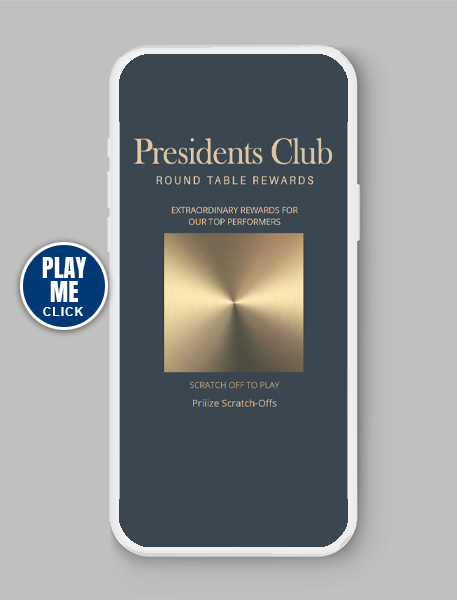
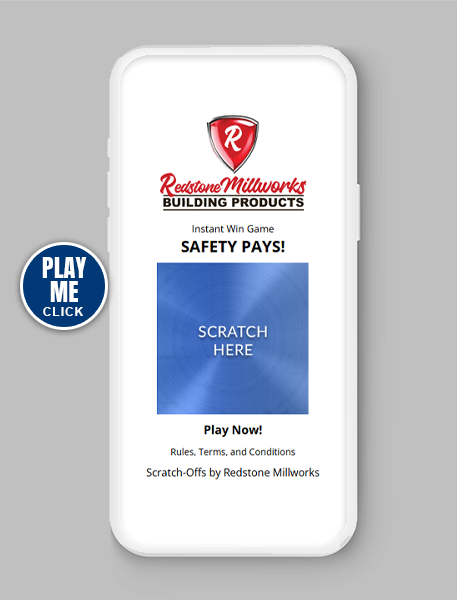
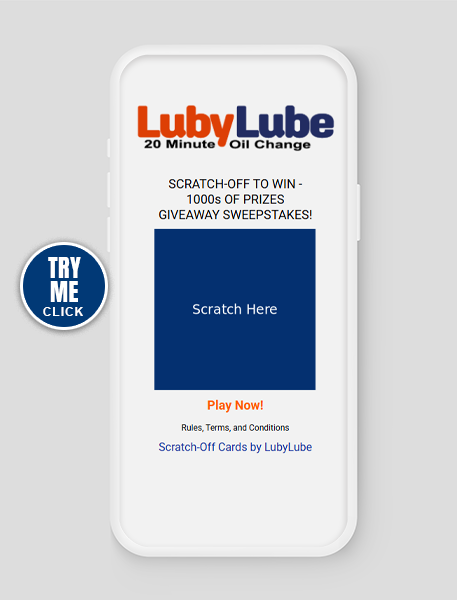
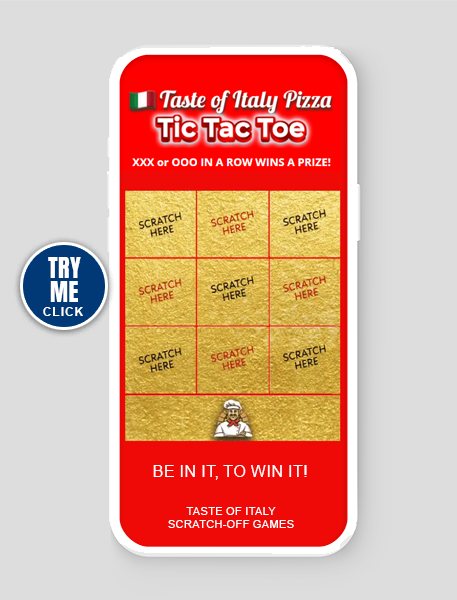
♦ Examples of virtual scratch card campaigns ›

Final Thoughts
 Digital scratch off cards are more than just a fun gimmick—they’re a proven marketing tool that combines entertainment with engagement and data collection. Whether you’re a small business or a global brand, incorporating virtual scratch cards into your strategy can:
- Increase customer interaction
- Drive measurable results
- Deliver real-time rewards
Ready to level up your marketing with interactive scratch-off games? Start exploring your options today, and let the winning begin. Contact us

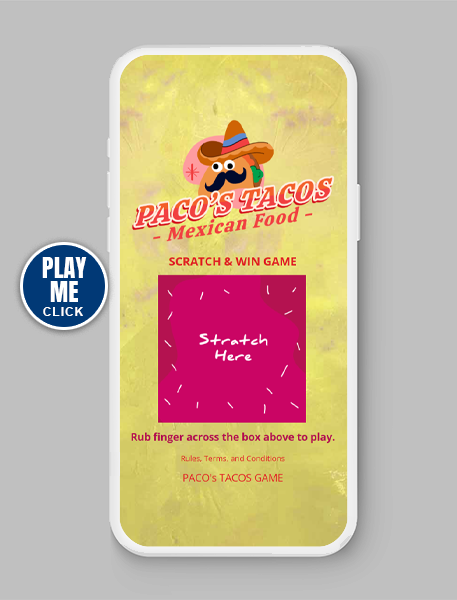

Priiize Prize Alert System
Priiize Prize Alert System The Priiize Prize Alert System is an automated monitoring tool for digital scratch-off marketing campaigns. It notifies campaign organizers via email when a specific
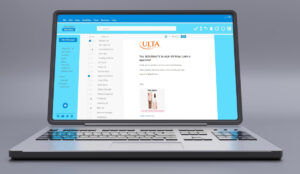
Prize Claim Email
Priiize digital scratch-off games use an automated email system to send instant, branded confirmations to winners and non-winners upon completion

Navigating Slower Sales Cycles and Lower Lead Volume in an Uncertain Market
Navigating Slower Sales Cycles and Lower Lead Volume in an Uncertain Market Longer Sales Cycles in Cautious Market Times. Many organizations are experiencing similar challenges: